Action
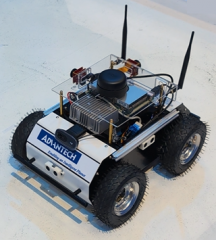
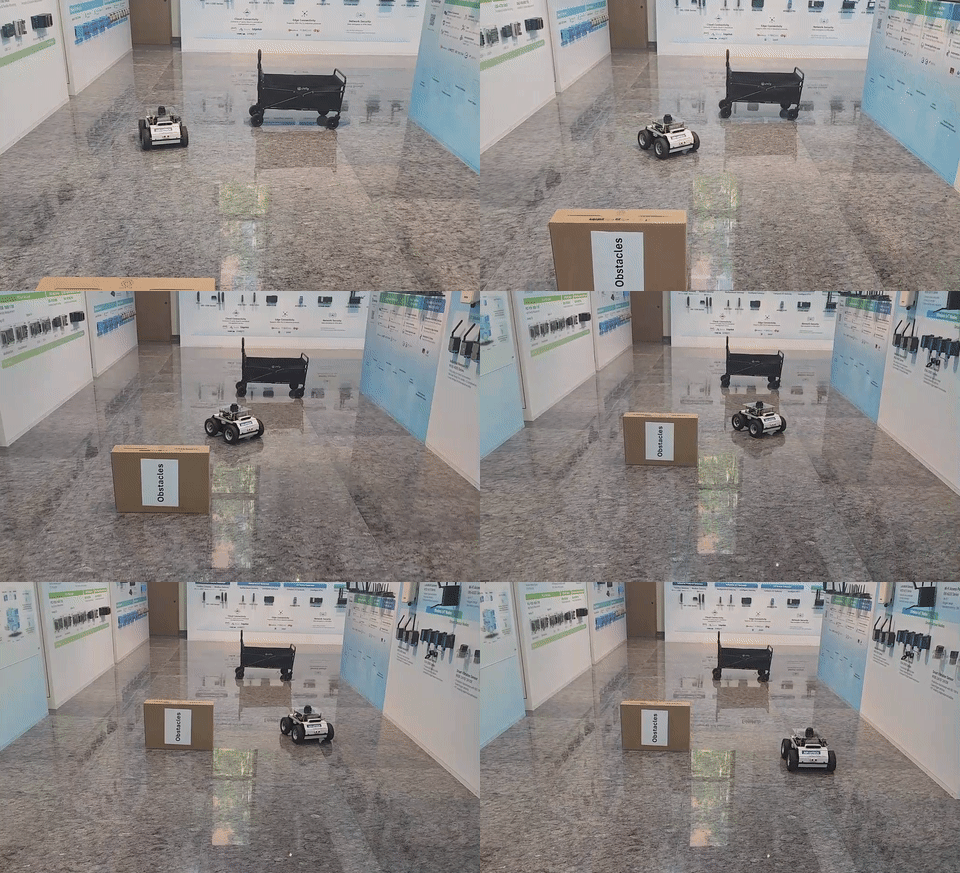
Action is the stage where the robot executes planned commands on physical systems.
At this point, abstract plans and trajectories are translated into real-world movements, such as motor control, steering, or actuator commands.
1. Motion Execution
-
Goal: Execute movement based on planned trajectories
-
Input:
- Path / trajectory
- Velocity commands
-
Output:
- Motor control signals
- Wheel velocities
-
ROS 2 Topics Example:
/cmd_vel
2. Control Systems
- Goal: Ensure accurate and stable execution of motion
- Common Methods:
- PID Control
- Model Predictive Control (MPC)
- Feedback control using sensor data
- Examples:
- Maintaining a straight path
- Smooth acceleration and deceleration
- Precise positioning
3. Hardware Interface
- Goal: Bridge software commands to physical hardware
- Components:
- Motor drivers
- Robot base controllers
- Robotic arm controllers
- Drone flight controllers
- ROS 2 Framework:
- ros2_control → Standard interface for robot hardware
- Hardware interface plugins
4. Practical Implementation (ROS 2)
- Action modules subscribe to planning outputs:
/cmd_vel/trajectory
- And interact with hardware through:
/joint_states/odom
- Common tools:
- ros2_control → Hardware abstraction and control
- RViz2 → Monitor robot state
- rqt_graph → Verify control pipeline
Action brings the robot’s decisions into the real world through precise and controlled execution.
Pipeline Summary:
- Sensing → Perception → Planning → Action