Example Workflows Overview
This section contains ready-to-run, teaching-oriented examples demonstrating common perception, AMR, and manipulator workflows.
Many examples include recorded ROS bags, allowing users to observe system behavior and understand the workflow without requiring physical sensors or robots.
Example List
These examples can be used as:
- Interactive demonstrations for understanding robotics concepts and system behavior.
- Reference configurations for learning how ROS 2 components and platform SDK pipelines work together.
- Starting points for adapting the workflows to your own sensors, robots, and applications.
The examples are organized into several categories:
ISAAC ROS
GPU-accelerated perception and advanced workflows using NVIDIA Isaac ROS
-
Multi-Sensor Function
Combine multiple sensors into a unified perception pipeline using Isaac ROS.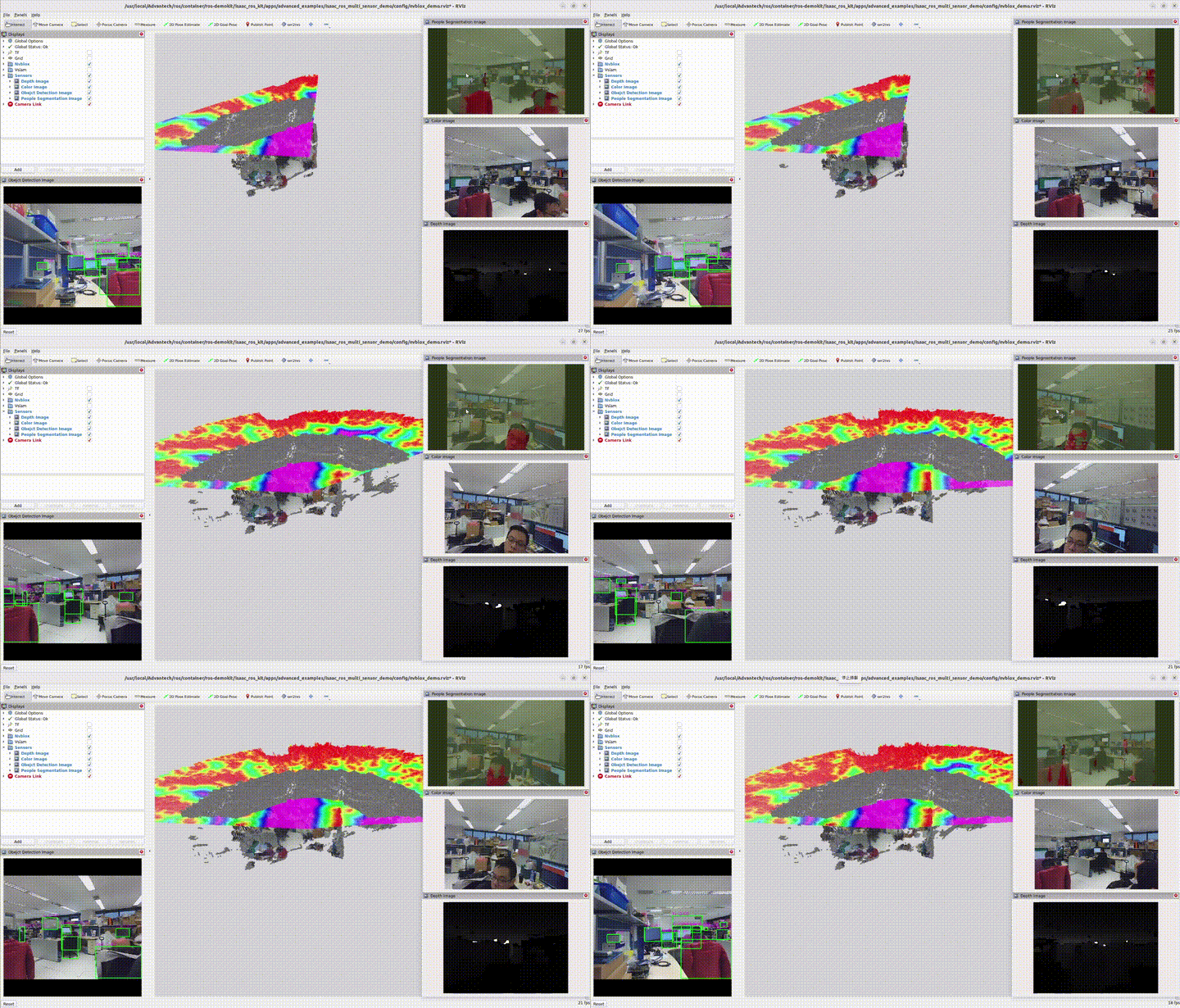
-
3D Scene Persistence
Build and maintain a 3D representation of the environment for long-term perception.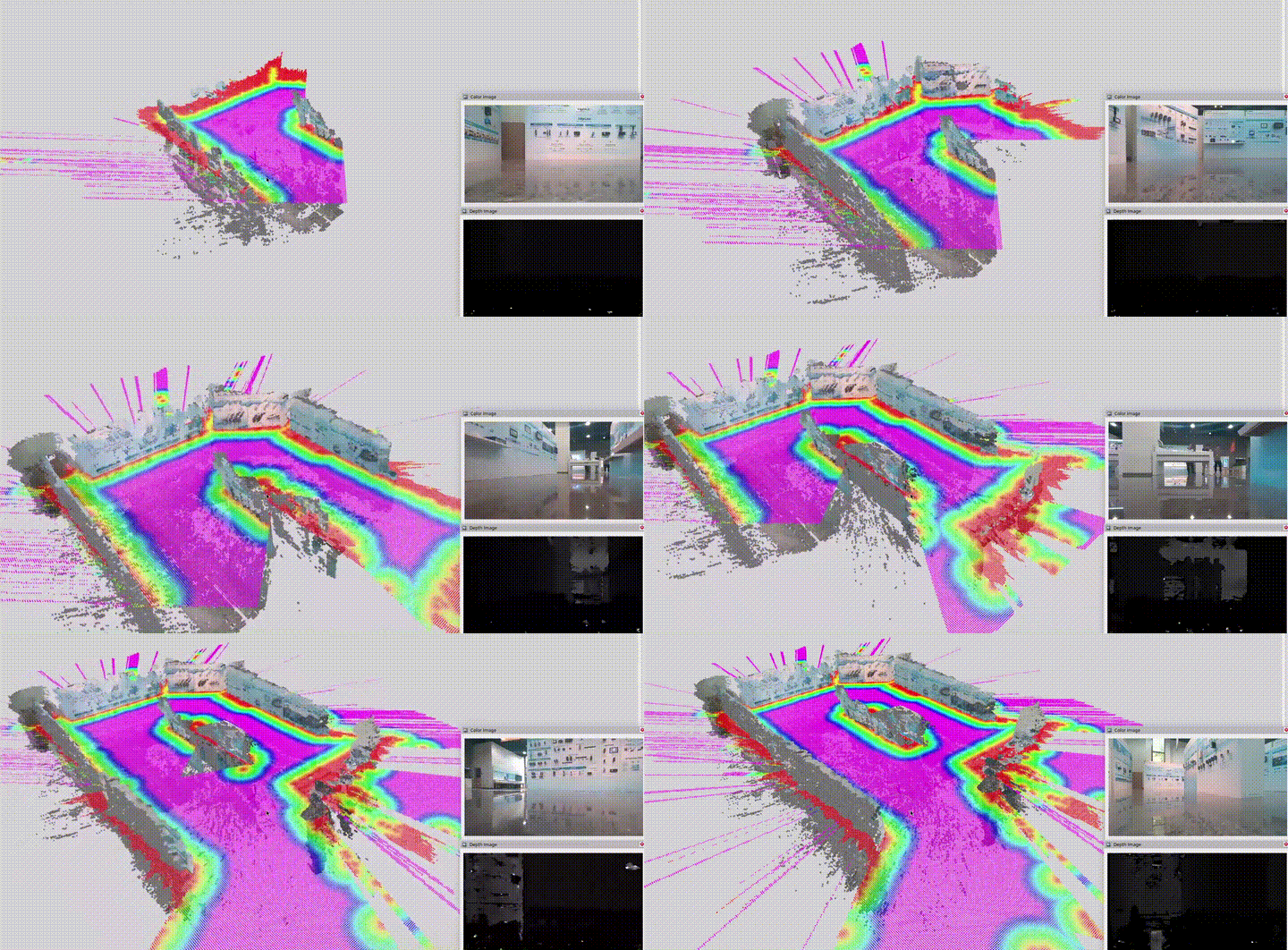
-
3D Camera Obstacle Avoidance
Use 3D cameras and Isaac ROS to detect obstacles and plan safe motion around them.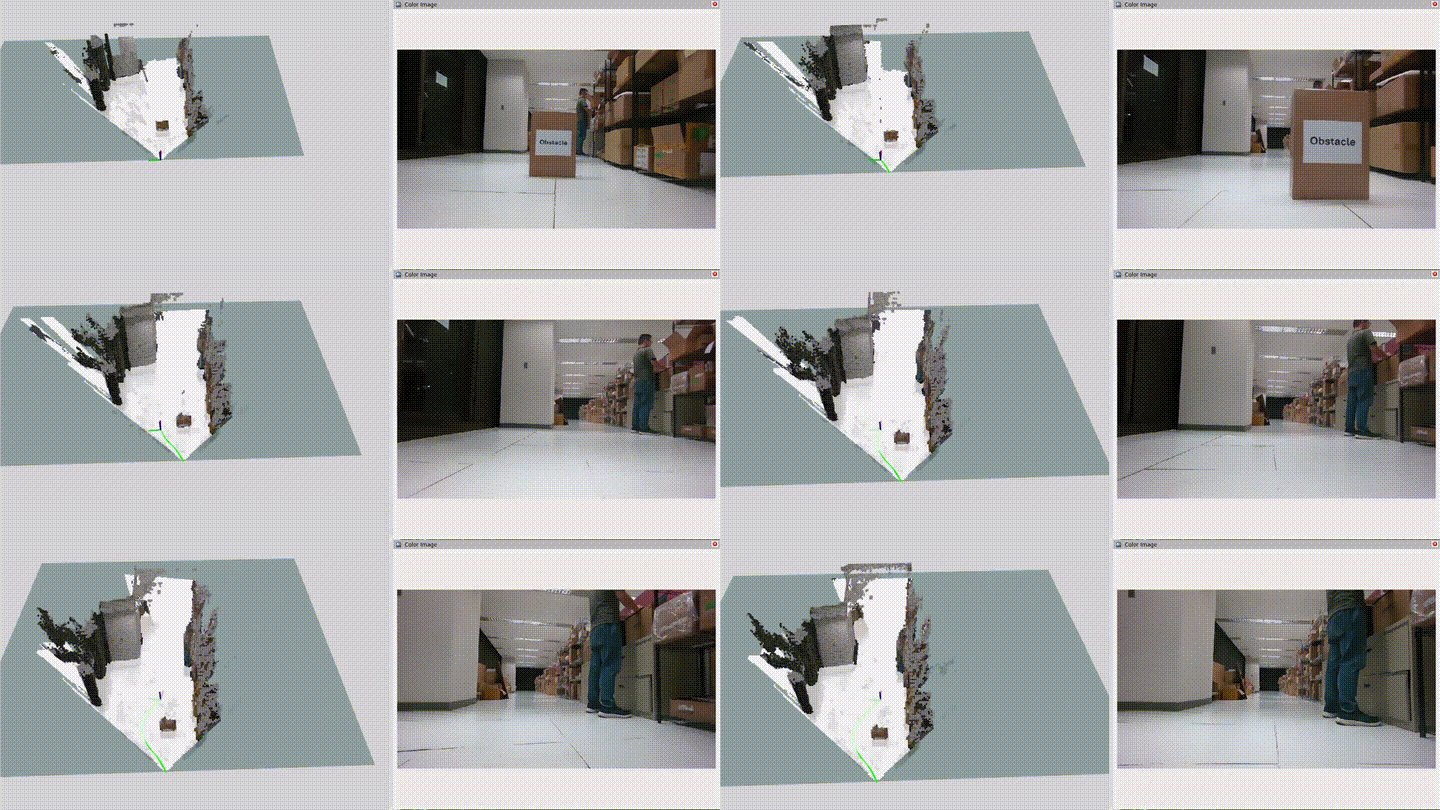
QIR ROS
Qualcomm-accelerated perception workflows and educational applications.
- 2D Camera Object Depth Estimation
This demonstrates how multiple QIR ROS SDK suites can share sensor data and work together.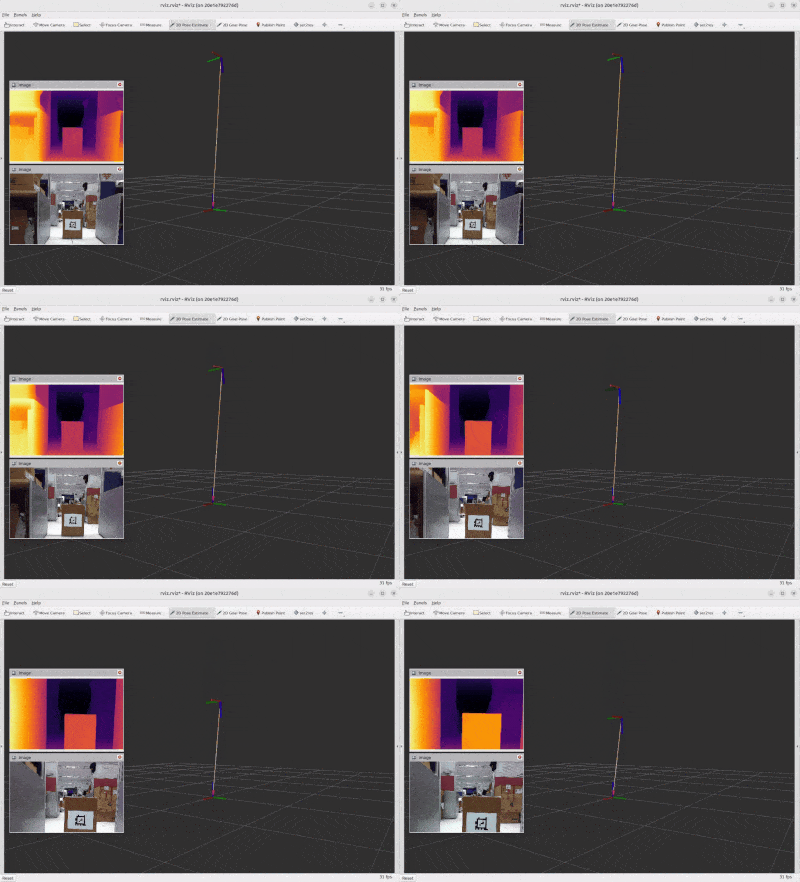
ROS Base
Core ROS 2 examples covering the following robotics application areas:
Manipulation
- Manipulator
A ROS bag–supported teaching example showing a recorded vision-based manipulator workflow, from color-block perception and camera-frame position estimation to robot-arm motion visualization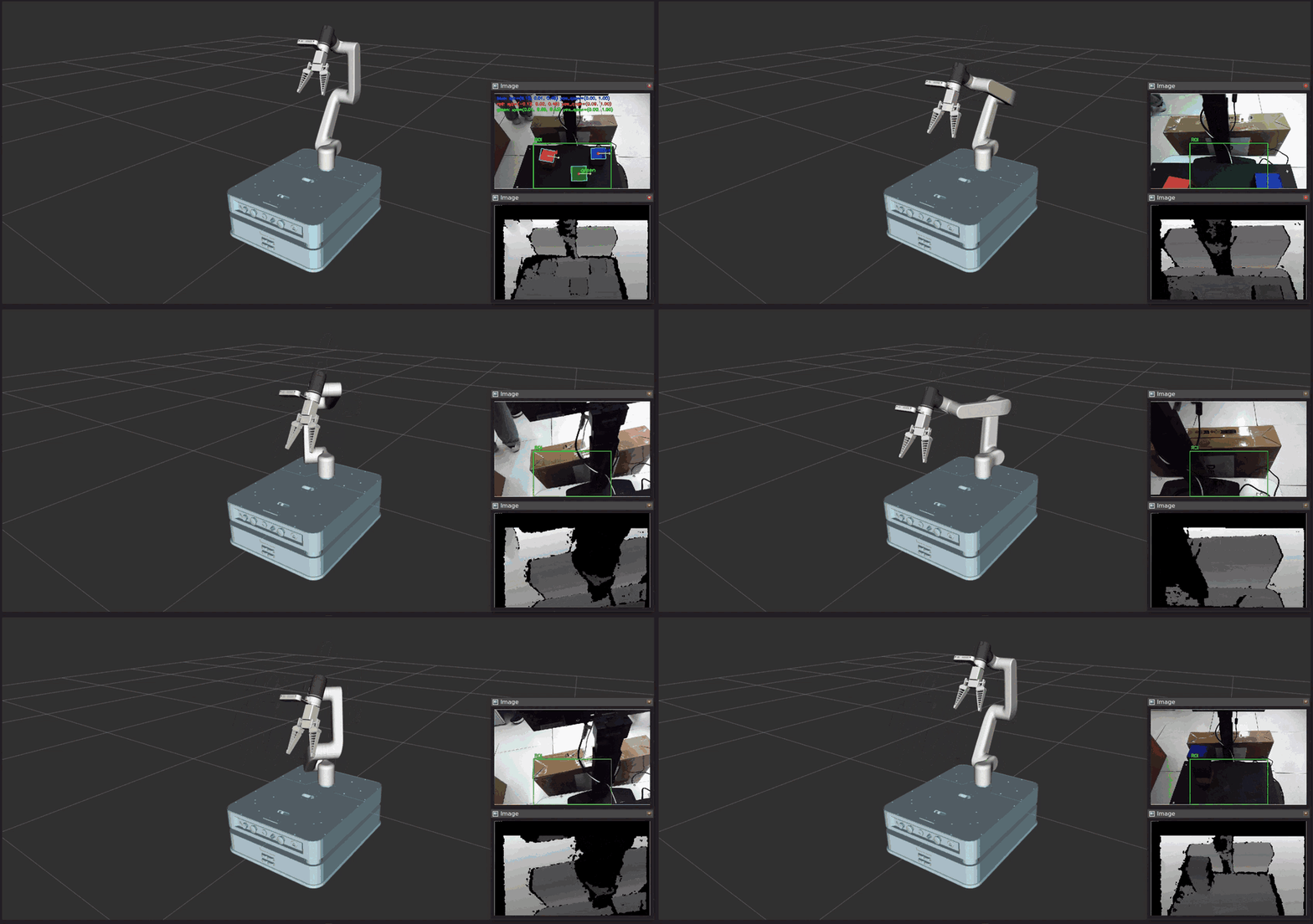
Mobility
-
2D LiDAR Mapping
Create a 2D occupancy grid map from a 2D LiDAR using slam_toolbox, and visualize it in RViz.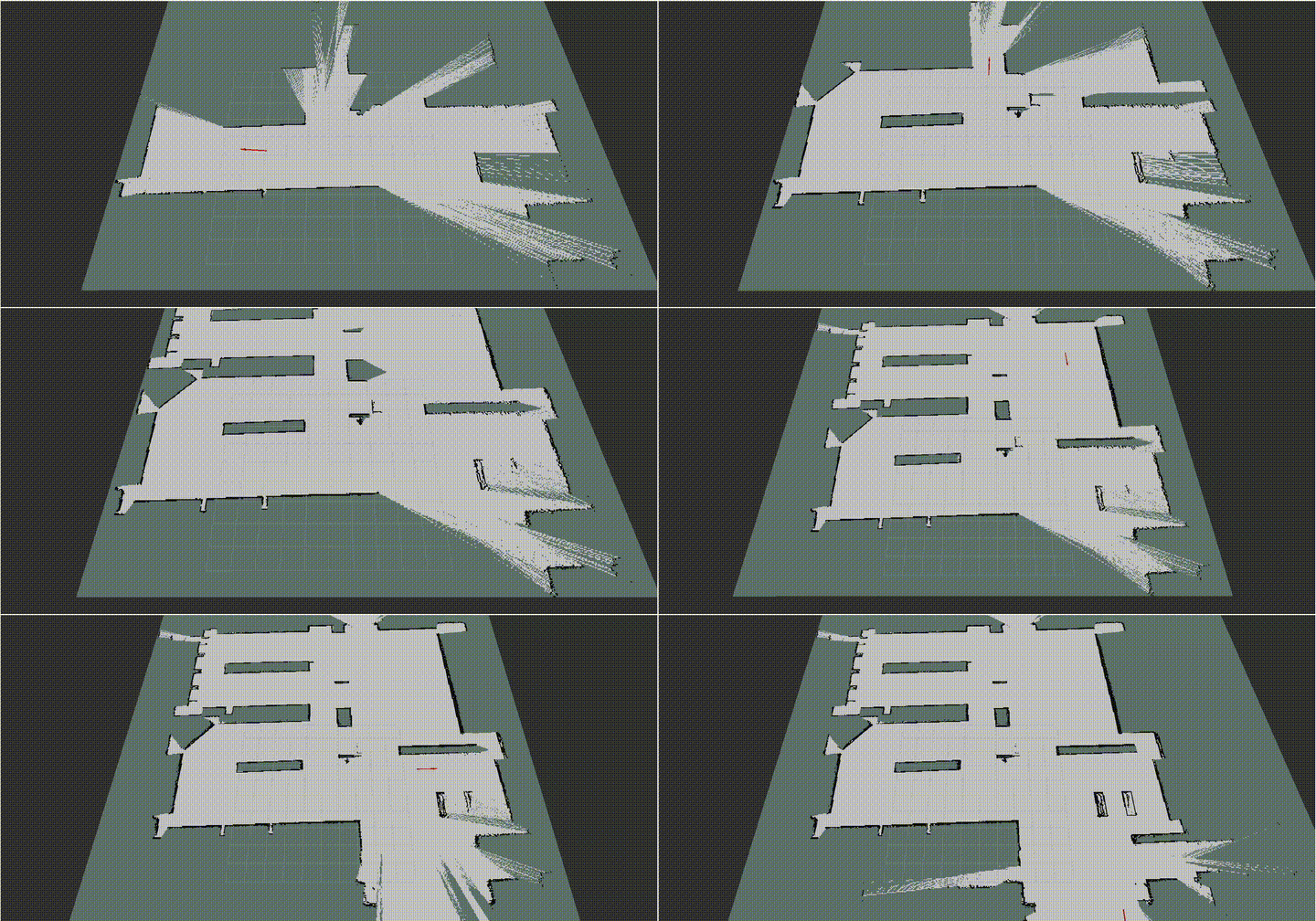
-
2D LiDAR Navigation
Learn the basic concepts of Nav2-based navigation and obstacle avoidance with a 2D LiDAR.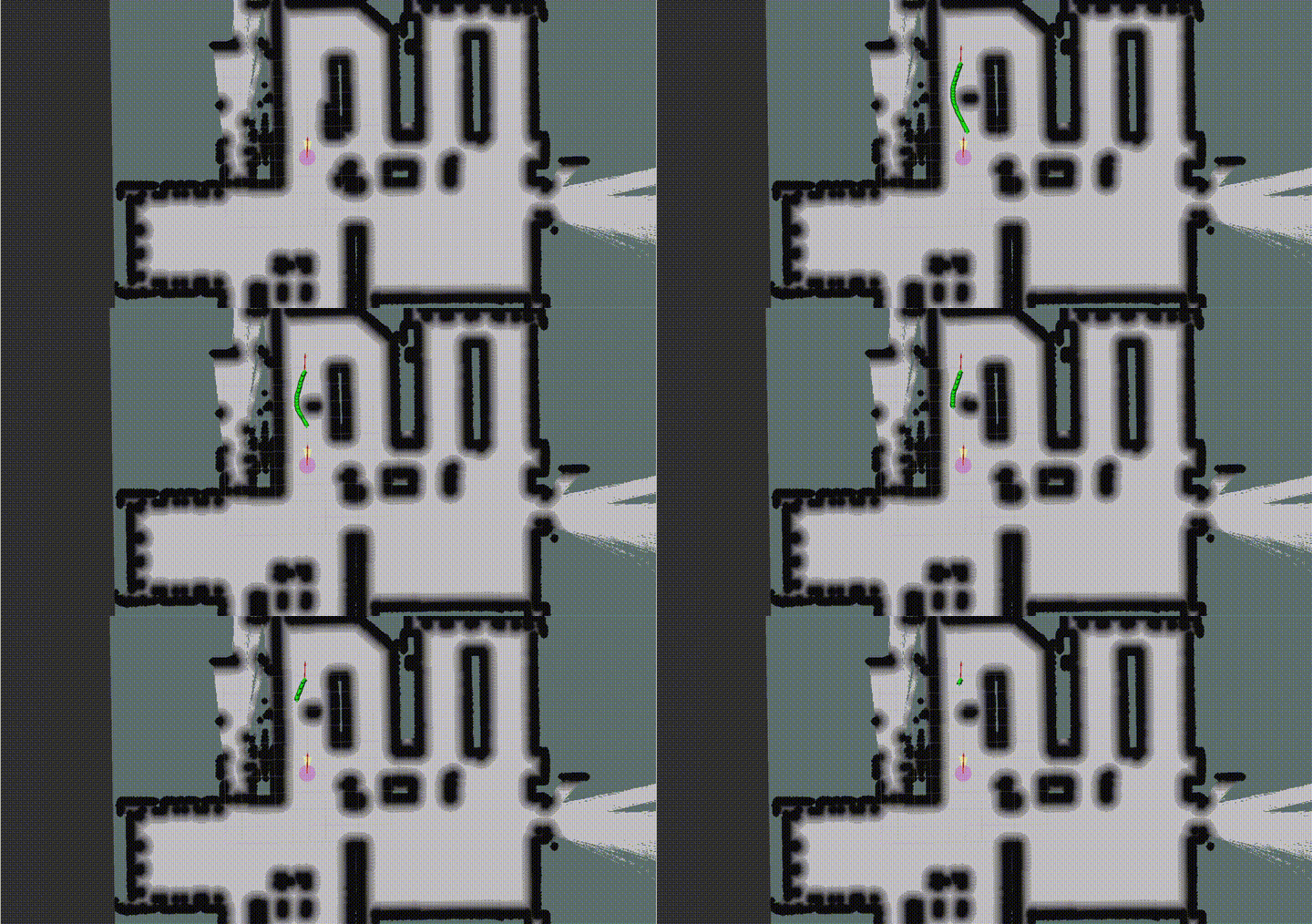
-
3D LiDAR Mapping
Generate a 3D map from a 3D LiDAR usinglidarslam_ros2, and inspect the result in RViz.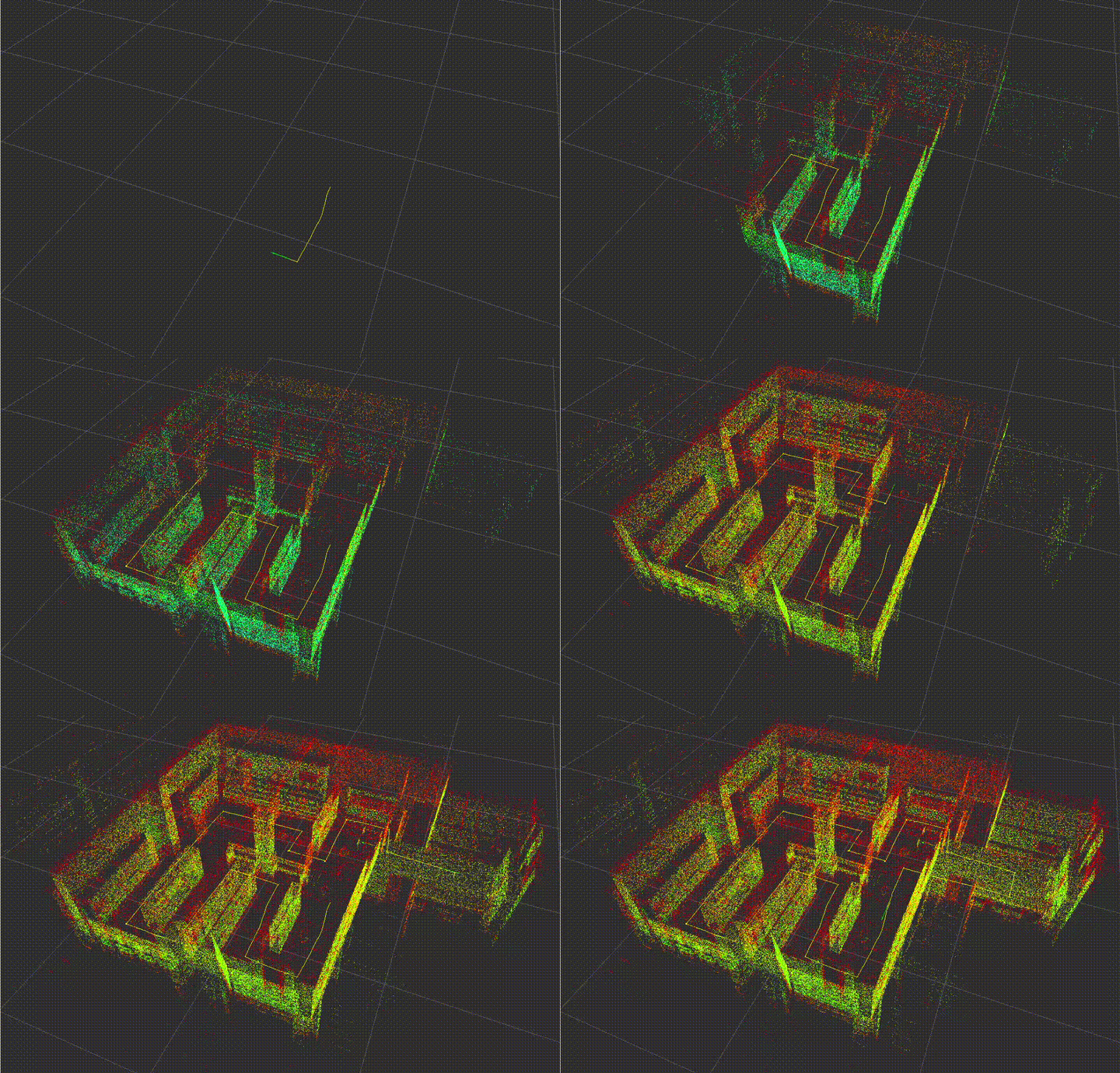
The examples are intended for teaching and evaluation.
They demonstrate important concepts and integration patterns rather than complete solutions that can be applied unchanged to every robot platform.